
2026 | Q2 Newsletter

Geopolitical tensions from the ongoing U.S. military operation against Iran continue to drive oil price volatility and add upward pressure on inflation, while lenders remain selective amid economic uncertainty. At the same time, the large wave of commercial real estate debt maturing in 2026, developments in private credit, and the effects of tariffs are shaping borrowing conditions across the industry. In this issue, we explore how these forces intersect and share practical steps borrowers can take to prepare for the opportunities and challenges ahead.
COMMERCIAL REAL ESTATE NEWS
How Tariffs Impact Commercial Real Estate
Tariffs and trade policy uncertainty can impact commercial real estate by increasing construction costs and delaying critical decisions. Find out more about their effects. Read full article on JP Morgan

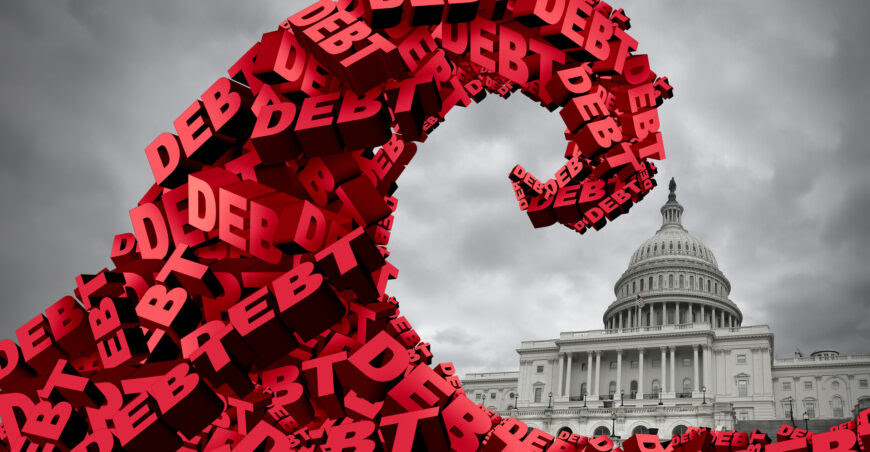
Commercial Real Estate Debt Maturity: 2026–2028 Outlook
The debt maturity wall is a term has dominated conversations among commercial real estate investors, lenders, and brokers: Billions of dollars in commercial real estate (CRE) loans are scheduled to come due between 2026 and 2028, and many of those loans were originated in a dramatically different economic environment. The ultra-low interest rates and aggressive lending conditions of the 2010s no longer exist. As a result, property owners across the country are facing one of the largest refinancing cycles the CRE market has seen in decades. Read full article on Investing Incre
Private Credit Stability Supports Real Estate Debt
Private credit faces AI-driven volatility, but real estate debt remains steady thanks to asset-backed lending and collateral protection. Read full article on Cre Daily

BORROWING TRENDS
Iran Conflict 2026: How Higher Oil Prices, Sticky Inflation & Lender Caution Could Affect Your Next Commercial Loan
The U.S. military operation against Iran (Operation Epic Fury) is now more than five weeks old. What began with surprise airstrikes on February 28 has already disrupted shipping through the Strait of Hormuz, driven oil prices sharply higher (Brent crude has at times traded well above $100 per barrel), and added fresh uncertainty to the economy.
At its March 18 meeting, the Federal Reserve held interest rates steady in the 3.50%–3.75% range. Officials cited the conflict as one reason inflation pressures could linger longer than expected, trimming hopes for multiple rate cuts this year. For commercial borrowers, this means the low-rate environment many had counted on is now less certain—and energy costs are rising at the same time.
What This Means for Your Business and Debt-Service Coverage
Higher fuel, shipping, and energy expenses are hitting many operating statements. Retail, manufacturing, transportation, warehousing, and even some multifamily or hospitality properties are seeing margin pressure. Even modest increases in these costs can tighten your debt service coverage ratio (DSCR) and make lenders more cautious when reviewing cash flow.
The good news? Borrowers who prepare early and communicate a clear, realistic picture of their numbers tend to keep options open. Lenders are still funding solid deals—but they are paying closer attention to how external shocks like this one could affect repayment.
How Lenders Are Responding Right Now
Banks and traditional lenders have grown more selective on deals tied to energy-sensitive sectors. Some are asking for stronger reserves, updated cash-flow forecasts that factor in higher costs, or more conservative underwriting assumptions. Appraisals in certain property types are also feeling indirect pressure from rising cap rates and cost uncertainty.
At the same time, private and alternative lenders have become even more active. They often move faster and can be more flexible with structure, which makes them a valuable option when speed or nuance matters. AAI Financial Group can help you evaluate whether a private or alternative solution makes sense for your situation and connect you with the right partners.
Borrower Playbook – Practical Steps You Can Take
- Update your personal financial statement and prepare a 12-month cash-flow forecast that includes realistic adjustments for higher energy and operating costs.
- Consider locking in fixed-rate quotes or interest-rate protection sooner rather than later, before any new oil-price spikes.
- Let AAI Financial Group help you shop for the best deal. We work with a wide range of banks, credit unions, and non-bank lenders and can present your story to multiple sources at once—so you’re not limited to a single bank’s view of the current environment.
- Start conversations with your existing lender (or new ones) now, especially if you have debt maturing in the next 12–24 months. Early, well-prepared discussions tend to produce better terms.
The situation in the Middle East remains fluid, with oil prices volatile and the Fed’s path for rates less clear than it was a few months ago. In times like these, preparation and access to multiple financing options become your strongest advantages.
Let AAI Financial Group help. Whether you need help stress-testing your numbers, exploring fixed-rate or alternative structures, or simply shopping the market for the most competitive terms available right now, our team is here to guide you through it. Reach out today so we can start putting a plan together before the next headline or Fed meeting shifts the landscape again. We’re committed to helping our clients navigate uncertainty and secure the financing they need—whatever the macro environment throws our way.
RECENTLY FUNDED TRANSACTIONS
Here are some of the opportunities we assisted our clients with last quarter:
- $1,997,000 Business Purchase, SBA – Pasco, WA – 95.10% LTV
- $431,000 Office / Retail Purchase, SBA – Yakima, WA – 89.81% LTV
- $4,080,000 Medical Office Purchase – Las Vegas, NV – 80.00% LTV
Contact us to learn how we can help you with your commercial property financing.
Let's talk.
We are knowledgeable, easy to talk to, and give free advice.
Please contact us to see how we can work together.
Or email us.